Papua New Guinea (hereinafter referred to as “Papua”) is an island nation in the South Pacific with abundant renewable energy resources. However, its rugged terrain and weak power grid infrastructure have left many remote communities in a state of “energy isolation” for a long time, forcing them to rely on expensive and unreliable diesel generators for power, which has severely hampered local development.
Client plans to build a power supply system for their farm, requiring a peak power demand of approximately 57kW. The available power supply on-site is three-phase 415V/60Hz, with a total incoming circuit breaker capacity of 250A. The system must integrate a SCADA (Supervisory Control and Data Acquisition) system to enable remote monitoring, data logging, and intelligent management of power generation, distribution, and loads. Furthermore, all major equipment must meet outdoor installation standards to ensure stable operation in an open-air environment.
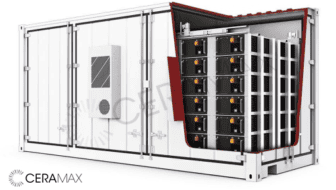
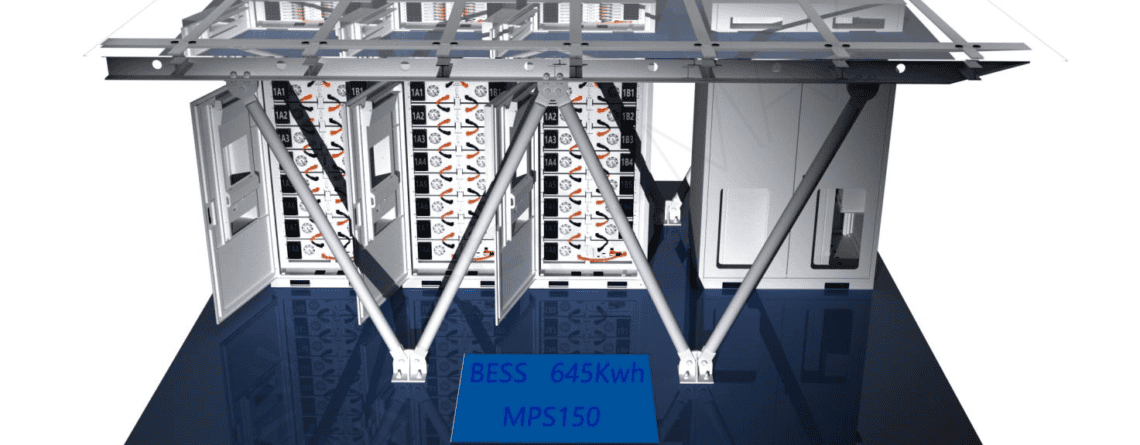
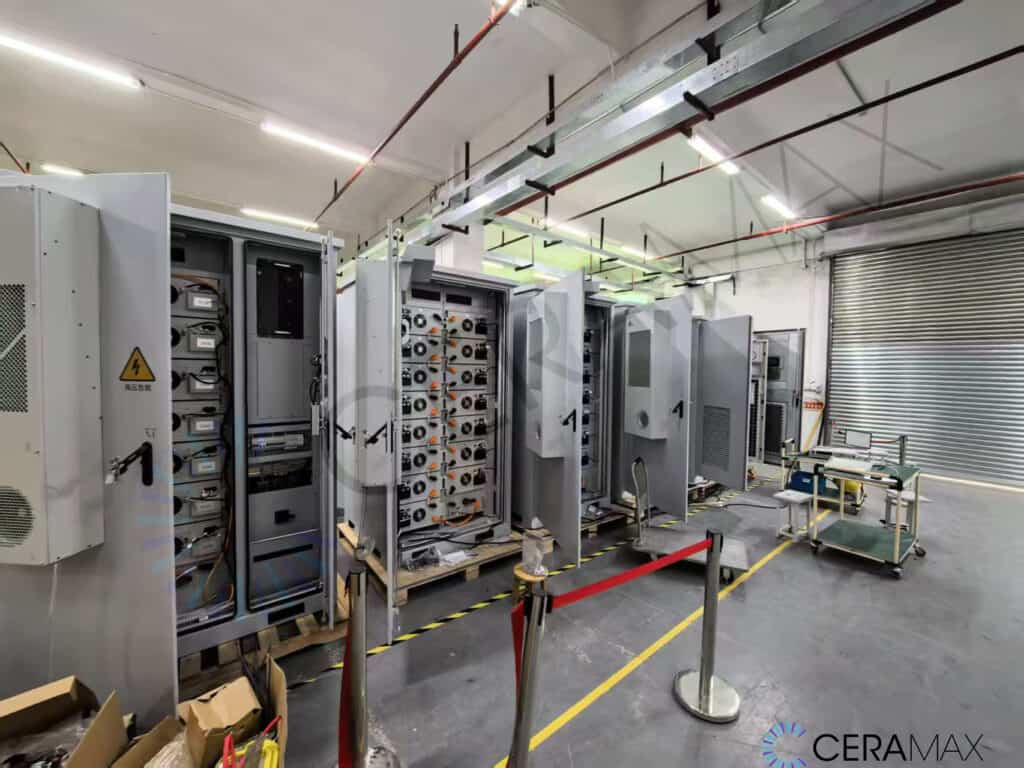
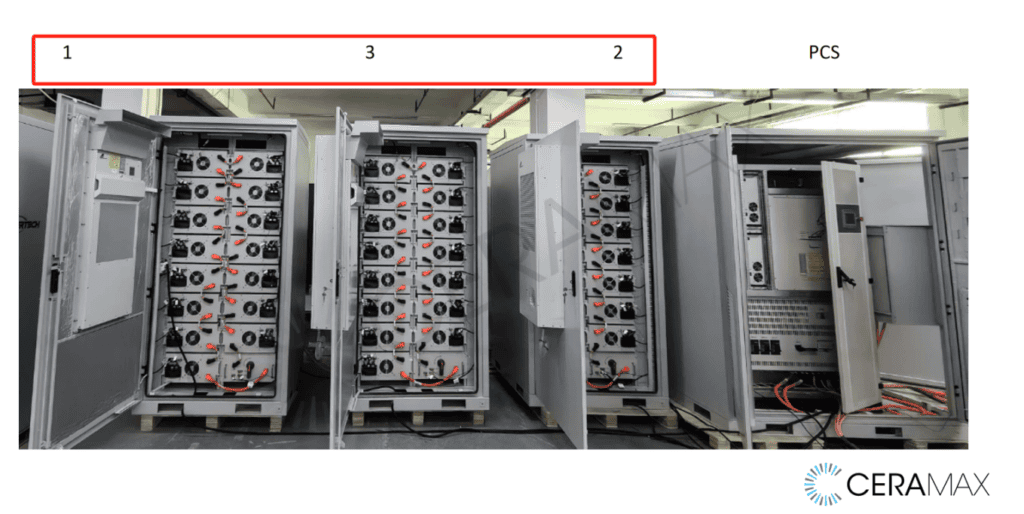
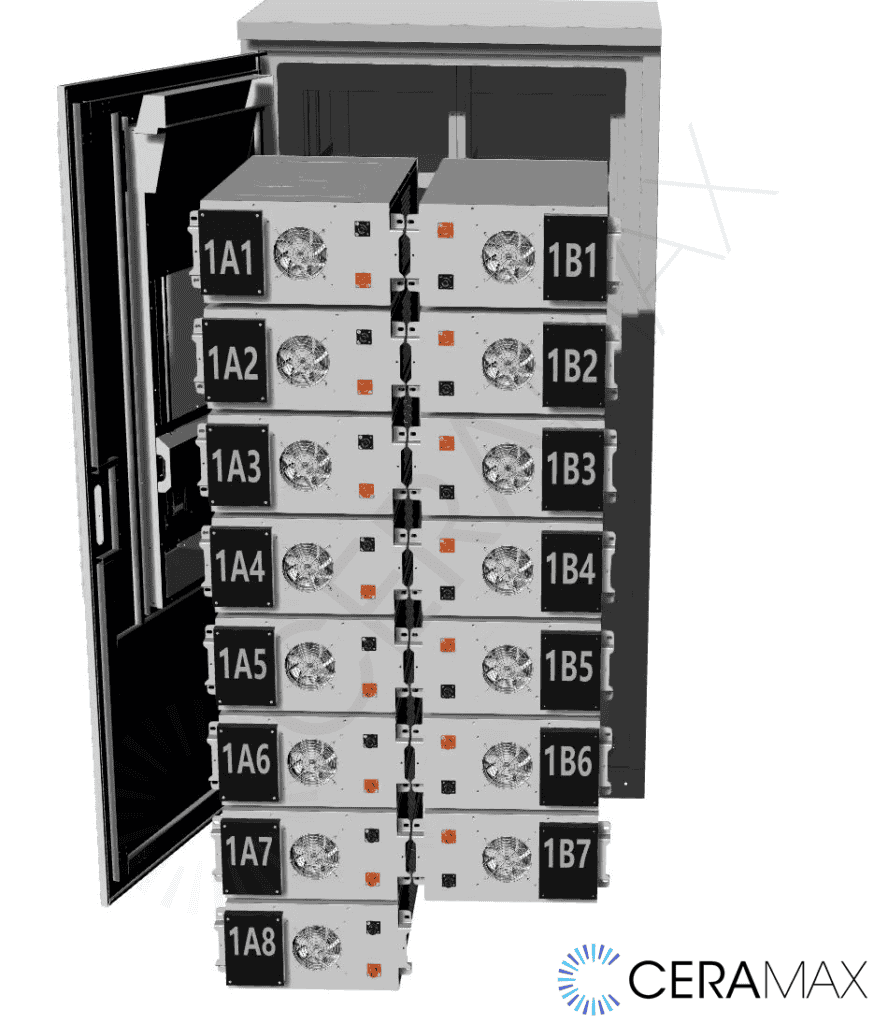
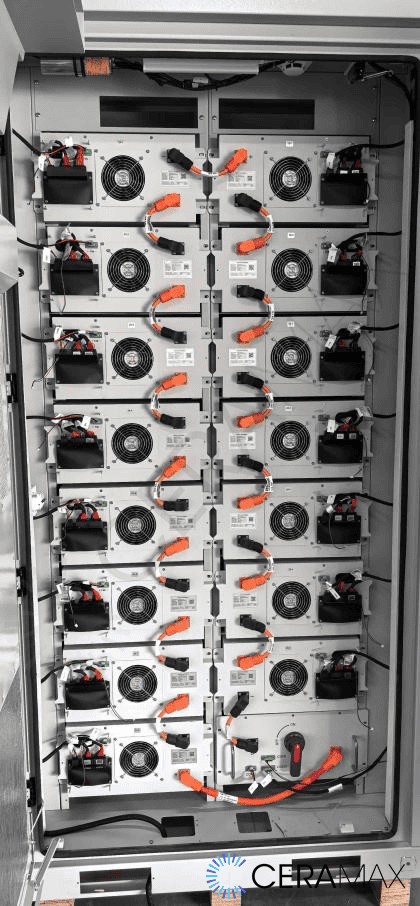
To address this, Ceramax tailored a complete hybrid photovoltaic-storage solution. The core of the system is a 645kWh lithium iron phosphate energy storage battery pack, consisting of 3pcs 215kWh air-cooled battery cabinets, paired with a 150kW bidirectional energy storage converter (PCS) and an intelligent energy management system (EMS), and efficiently integrated with a local 300kWp photovoltaic array.
System core highlights:
High-strength integrated design:
The Ceramax energy storage system adheres to a modular design concept, internally integrating a 51.2V 280AH high-power battery pack, an intelligent battery management system (BMS), an PCS, a fire protection system, and temperature control equipment. The enclosure is windproof, rainproof, and corrosion-resistant, adapting to Papua’s hot and humid climate, enabling rapid deployment and extremely high environmental adaptability.
Intelligent Energy Management:
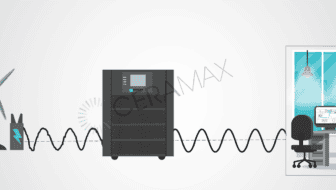
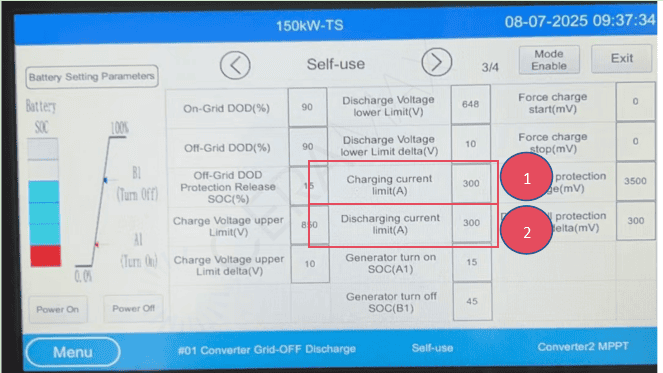
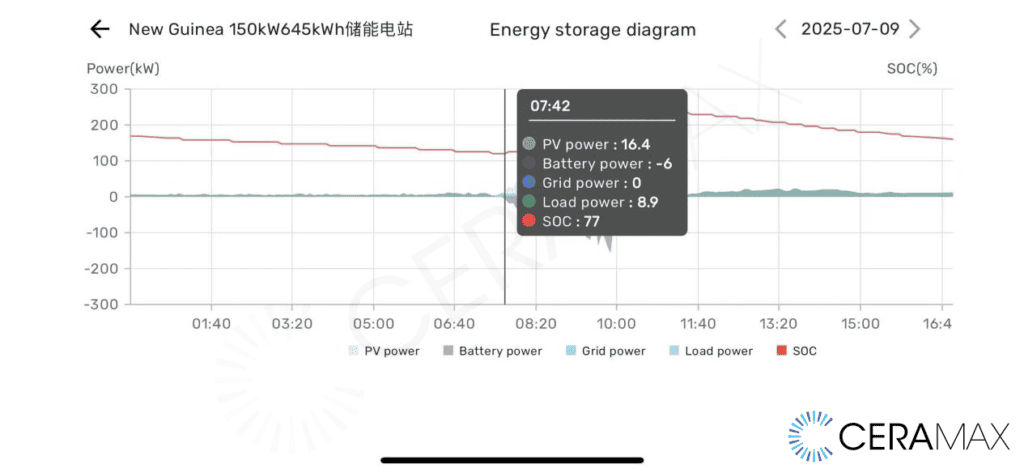
The EMS is the brain of the entire system, intelligently scheduling the charging and discharging of energy storage. Its operating logic prioritizes the utilization of 100% clean solar energy, supplying power to loads primarily during periods of ample sunshine. Excess energy is stored in batteries and used to power loads at night or on cloudy days, achieving 100% replacement of diesel generators.
Simultaneously, through the EMS cloud platform, maintenance personnel can remotely monitor, receive fault warnings, and upgrade programs via mobile phones or computers, significantly reducing maintenance costs in remote areas.
Efficient and Convenient Installation:
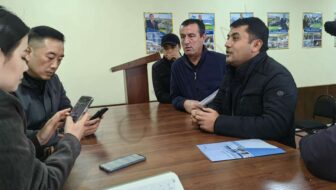
The Ceramax system adopts a fully modular plug-in design. The battery cabinet, PCS, and control unit are all prefabricated modules, allowing for on-site installation to be completed in as little as 15 days. During the project implementation phase, engineers are stationed on-site throughout the process, guiding equipment setup, system debugging, and final acceptance, ensuring that every step complies with specifications and that the system operates stably, truly achieving high efficiency in both deployment and operation.
Intelligent Energy Management:
The successful operation of this system not only provides reliable power supply to remote areas of Papua, but also verifies the adaptability of hybrid energy storage technology in islands and areas without grid coverage, laying an important foundation for local energy transition and infrastructure upgrades.