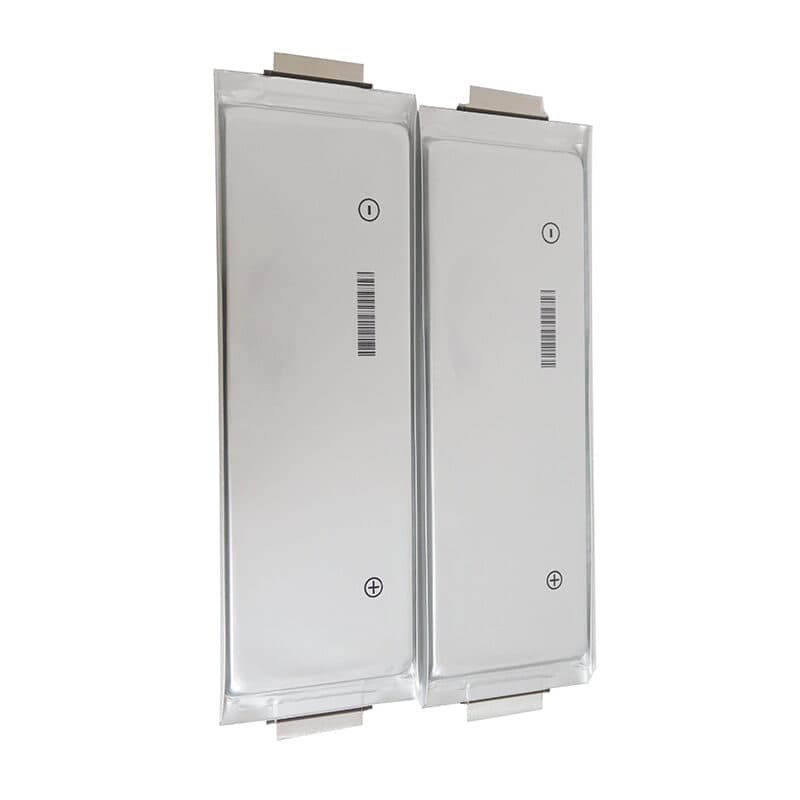
Battery cell is a basic unit that stores and produces electrical energy through chemical reactions. It consists of three main components: two electrodes (an anode and a cathode) and an electrolyte. When a battery cell is connected in a circuit, a chemical reaction occurs between the electrodes and the electrolyte, generating a flow of electrons, which constitutes an electric current.
In a rechargeable battery, like those commonly found in smartphones and laptops, the chemical reactions can be reversed by applying an external voltage, allowing the battery to be recharged and used multiple times.
Battery cells come in various sizes, chemistries, and capacities, depending on their intended applications. They are used in a wide range of devices, from small electronics to electric vehicles and grid energy storage systems.