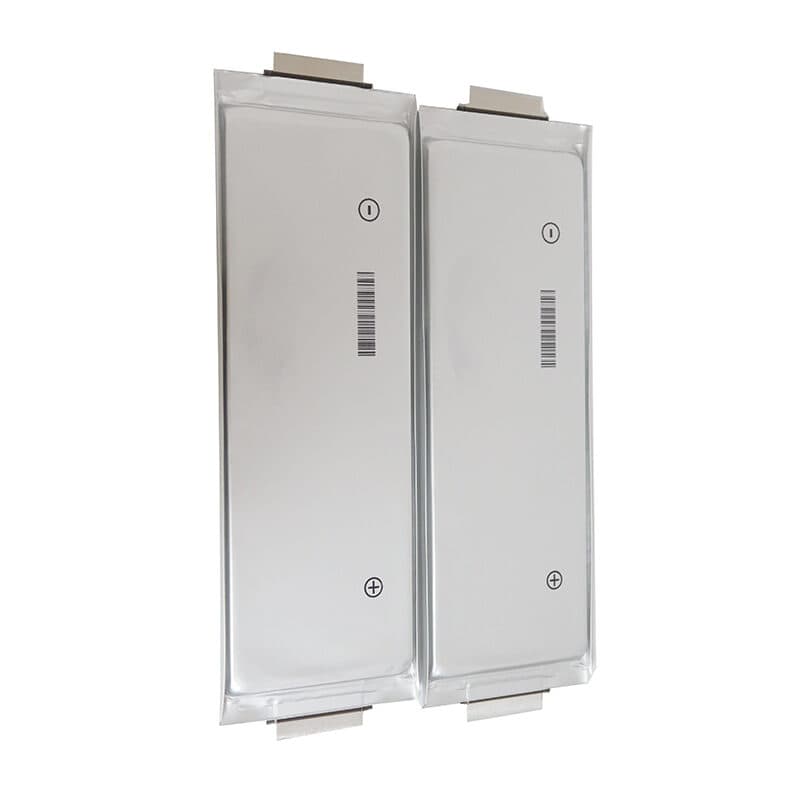
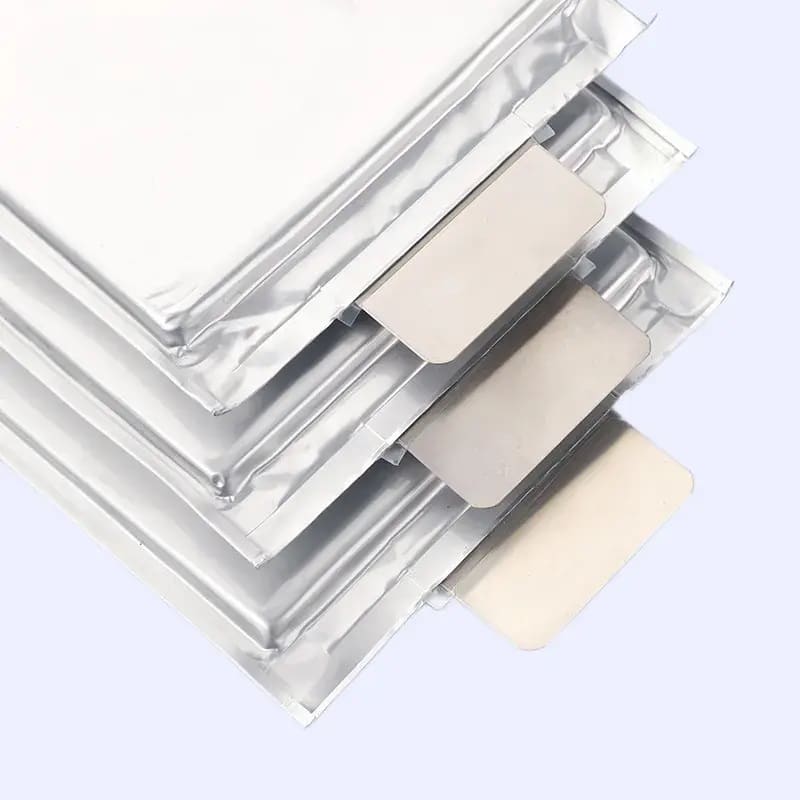
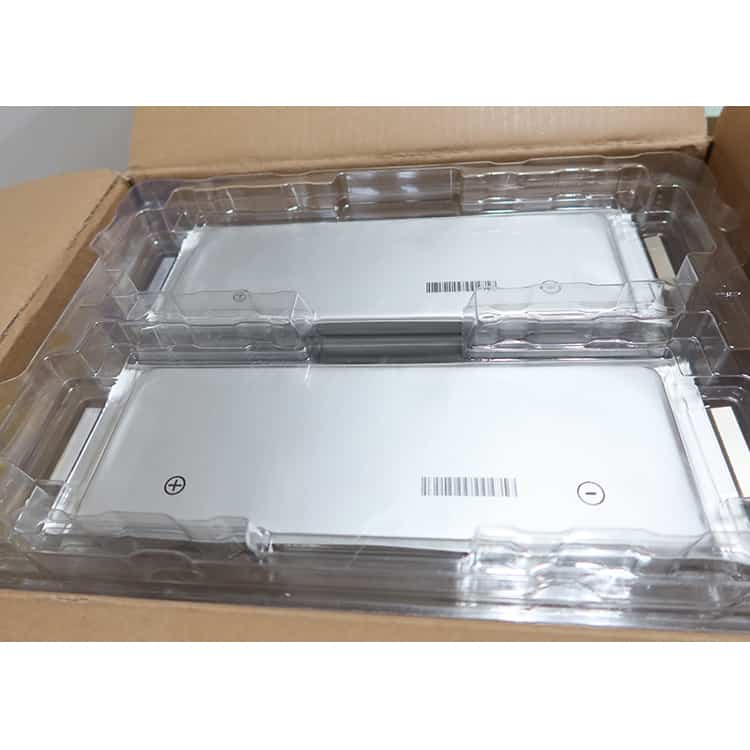
The key materials of Polymer battery pouch cells mainly composed of positive electrode materials, negative electrode materials and separators, which are not much different from traditional steel-cased and aluminum-cased lithium-ion cells. The biggest difference lies in the flexible packaging material (aluminum-plastic composite film), which is the most critical and technically difficult material in pouch cells. Flexible packaging materials are usually divided into three layers, namely the outer resistance layer (generally the outer protective layer made of nylon BOPA or PET), the barrier layer (the middle layer of aluminum foil) and the inner layer (multifunctional high barrier layer).
The packaging material and structure of the pouch cells have a series of advantages. First of all, it has good safety performance. The structure of the pouch cell is packaged with aluminum-plastic film. When a safety problem occurs, the pouch cells will generally cracks or bulges, unlike Steel shell or aluminum shell battery cells explode; Secondly, the weight is light, the weight of the pouch cell is 40% lighter than the steel shell lithium ion battery of the same capacity, and 20% lighter than the aluminum shell lithium ion battery; Finally, its design is more flexible, the shape can be changed to any shape, and it can be thinner. It also can be customized according to customer needs and develop new cell models.
1. High capacity and stable discharge current 2. Longer lifetime with high performance 3. Light weight with small size 4. Outstanding discharge properties and small internal resistance 5. Good discharge capacity and can resist high temperature 6. Environmental friendly 7. Build in anti-explosion protection and circuit protection 8. Good consistency, low self discharge