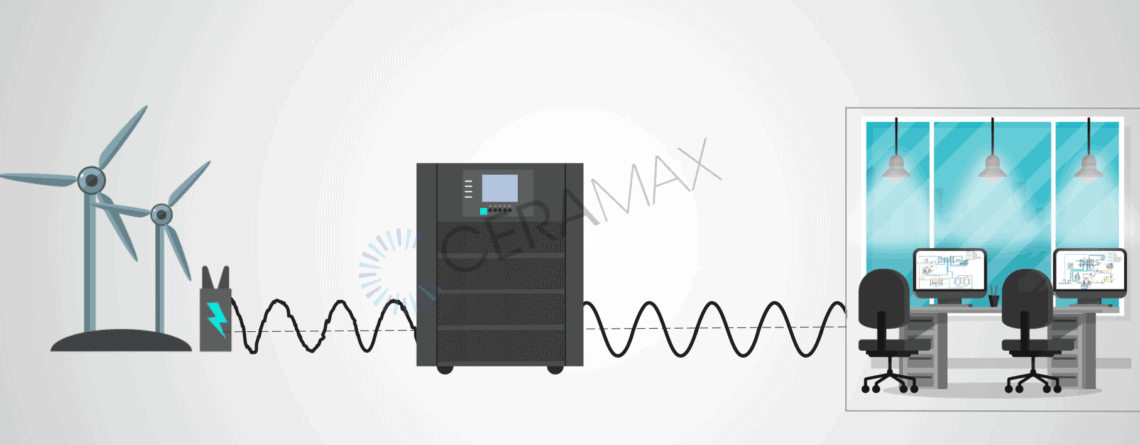
UPS (Uninterruptible Power Supply) is a system equipment that connects a battery (usually a maintenance-free lead-acid battery) to a host computer and converts direct current into alternating current through a host inverter and other modules. The three basic functions of UPS are voltage stabilization, filtering, and uninterruptible power supply. It is mainly used to provide stable and uninterrupted power to a single computer, computer network system, or other power electronic devices such as electromagnetic valve and pressure transducers.
When the input from the power grid is normal, UPS will supply the load with the stabilized power from the power grid, and at the same time charge the battery. Once there is an abnormal input from the power grid, such as overvoltage, undervoltage, blackout, or frequency anomaly, UPS will immediately switch to use the electricity stored in the battery and supply the load with 220V/380V AC power through the inverter, which will ensure that the load can continue to work normally and protect both the software and hardware of the load from damage. Besides, the UPS can also deal with other problems with the power grid efficiently: power outages, lightning spikes, surges, frequency oscillations, voltage mutations, voltage fluctuations, frequency drift, voltage drops, and pulse interference.
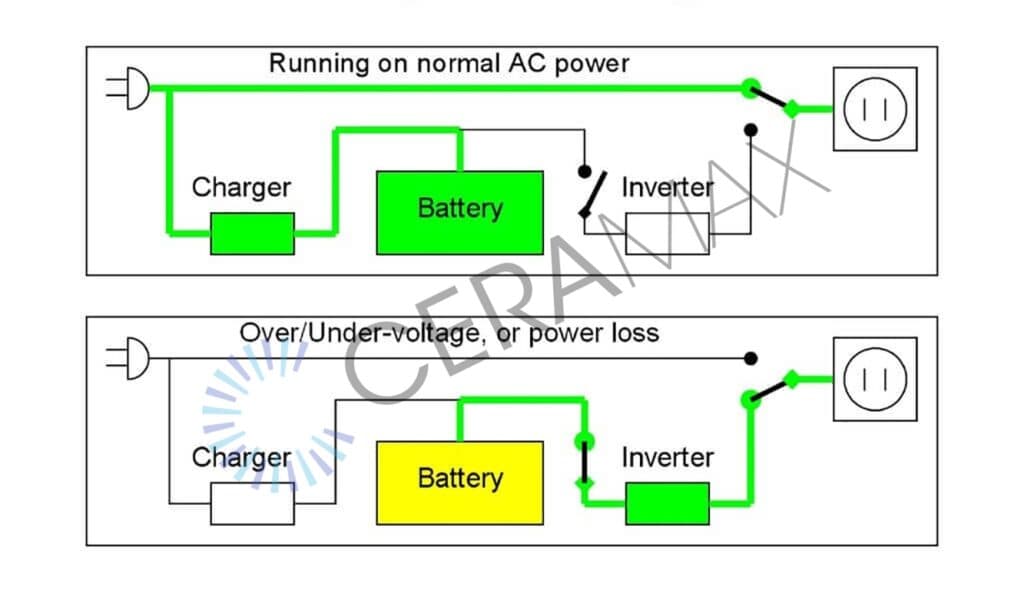
Nowadays, UPS commonly use fully sealed and maintenance-free lead-acid batteries as energy storage devices, with the battery capacity represented by the “ampere-hour (AH)” index, which indicates the time for discharging at a specified current. For batteries with the same voltage, higher AH means larger capacity; for batteries with the same AH, higher voltage means larger capacity. Usually, the battery capacity is represented by both voltage and AH, such as 12V/24AH, 12V/38AH, 12V/65AH, 12V/100AH, 12V/150AH, 12V/200AH, etc. Batteries are an important component of UPS, with a significant value proportion, and their quality directly affects the normal use of UPS. Hence, it is important to carefully select officially branded batteries with quality assurance.
Characteristics:
1.High scalability
DSP(Digital Signal Process) control provides an improved solution with better performance. Integrated with modular design and parallel technology, enables power expansion in the future.
2.High efficiency online
Double conversion technology
Modular UPS is applied online double conversion technology with high performance over 94.5% at 50% load, which significantly reduces Total Cost of Ownership(TCO).
3.Generator Compatible
Power continuity can be achieved through generators during power outages. When the UPS runs on generator power, it can stabilize the generator’s unstable voltage and provide reliable power.
4.Ease of installation and maintenance
Built-in maintenance bypass assures continuous power to critical loads during UPS maintenance.
5.Flexible battery configuration adapts different applications
Battery numbers can be adjusted flexibly. It will adapt different power demands and shorten system downtime.
Applications
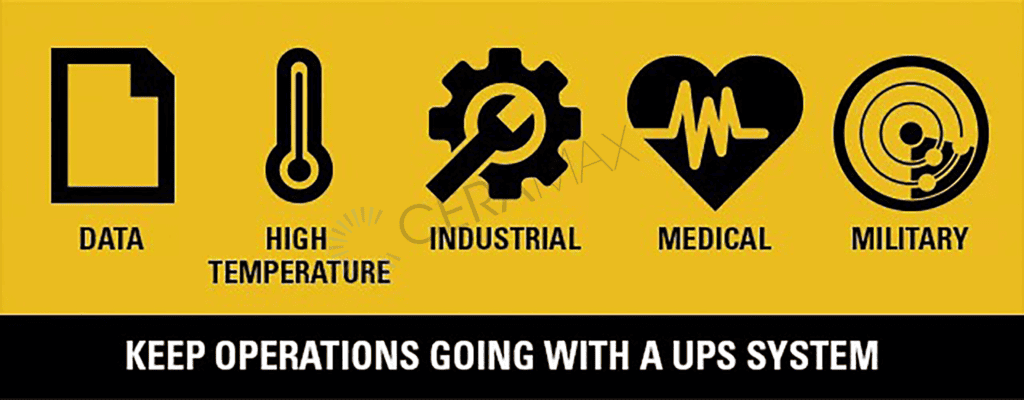
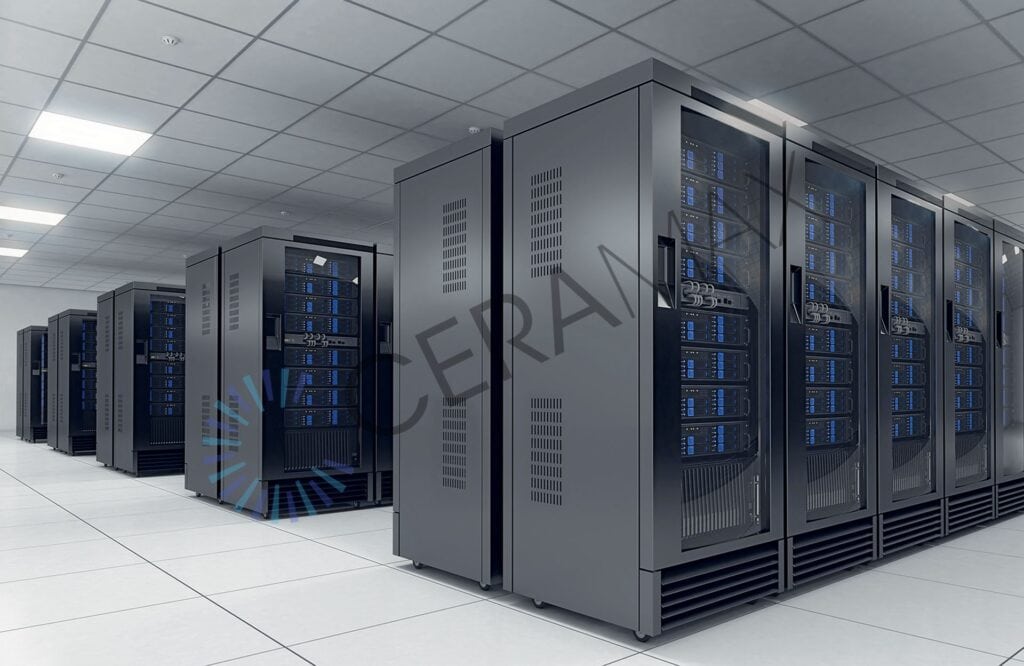
In the past, UPS was mostly used to assist computer equipment and prevent data loss due to sudden power outages. Now, UPS uninterruptible power supplies are widely used in various fields, including mining, aerospace, industry, communication, defense, hospitals, computer business terminals, network servers, network equipment, data storage devices, emergency lighting systems, railways, shipping, transportation, power plants, substations, nuclear power plants, production factories, fire safety alarm systems, wireless communication systems, program-controlled switches, mobile communication, solar energy storage energy conversion equipment, control equipment and their emergency protection systems, and personal computers.